
Folic Acid CAS 59-30-3 | 99% USP Vitamin B9 – Baisfu
What the compound is
Folic acid (pteroylglutamic acid, CAS 59-30-3) is the synthetic form of folate, the B vitamin required for one-carbon metabolism, DNA synthesis and normal cell division. It is the form used in nearly all prenatal, postpartum and food-fortification products because it is stable in dry form and its assay can be verified to pharmacopoeial tolerance. Baisifu supplies folic acid at 99 percent and 101.5 percent USP grade for maternal nutrition, women’s health and fortified-food applications, with the assay basis stated explicitly on every COA.
Production and origin
The material is produced by chemical synthesis and purified by crystallisation to pharmacopoeial purity. Baisifu supplies material from audited synthesis lines, micronised on request for uniform distribution at the microgram and milligram dose levels typical of maternal products. The Statement of Origin records the manufacturing site and the grade, and buyers can request the pharmacopoeial certificate (USP) alongside the standard COA.
Identity and assay
Folic acid is assayed by HPLC against a pharmacopoeial reference standard. The two commercial bases are 99.0–102.0 percent on the anhydrous basis and 101.5 percent expressed on the as-is basis used in some specification sheets; both describe the same material and the difference is arithmetic, not quality. The COA reports the assay basis, related substances (including pterin and pteroic acid impurities), loss on drying, residue on ignition and heavy metals, so two suppliers’ certificates can be compared like-for-like.
Physical behaviour
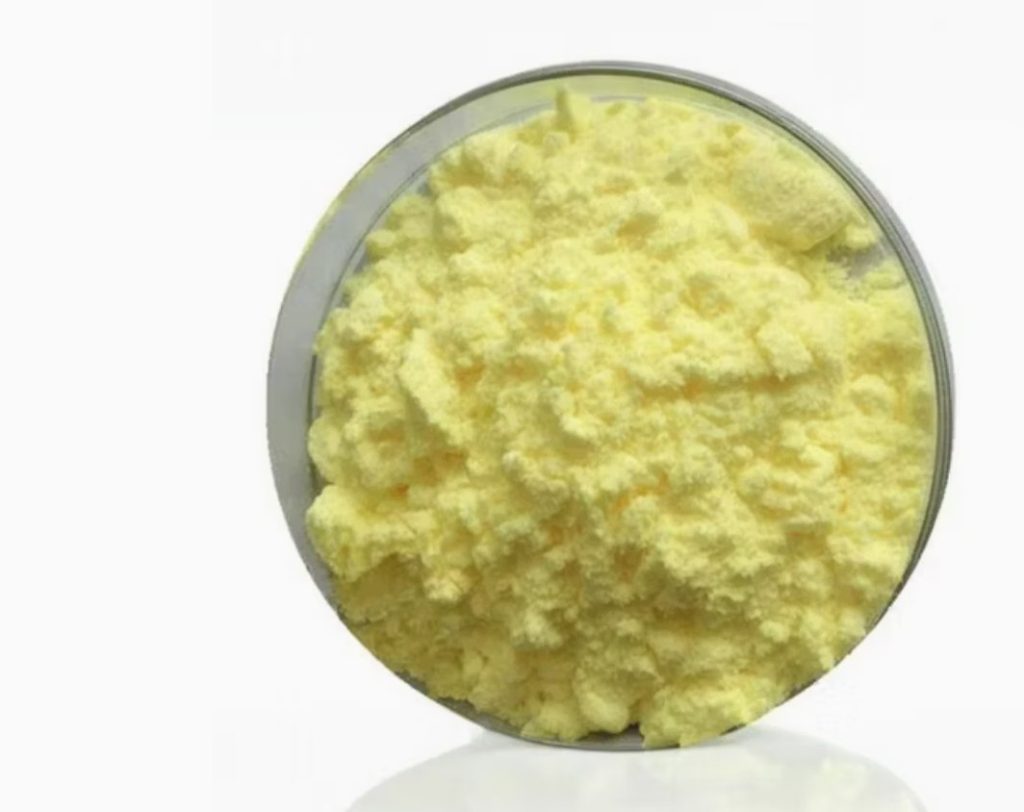
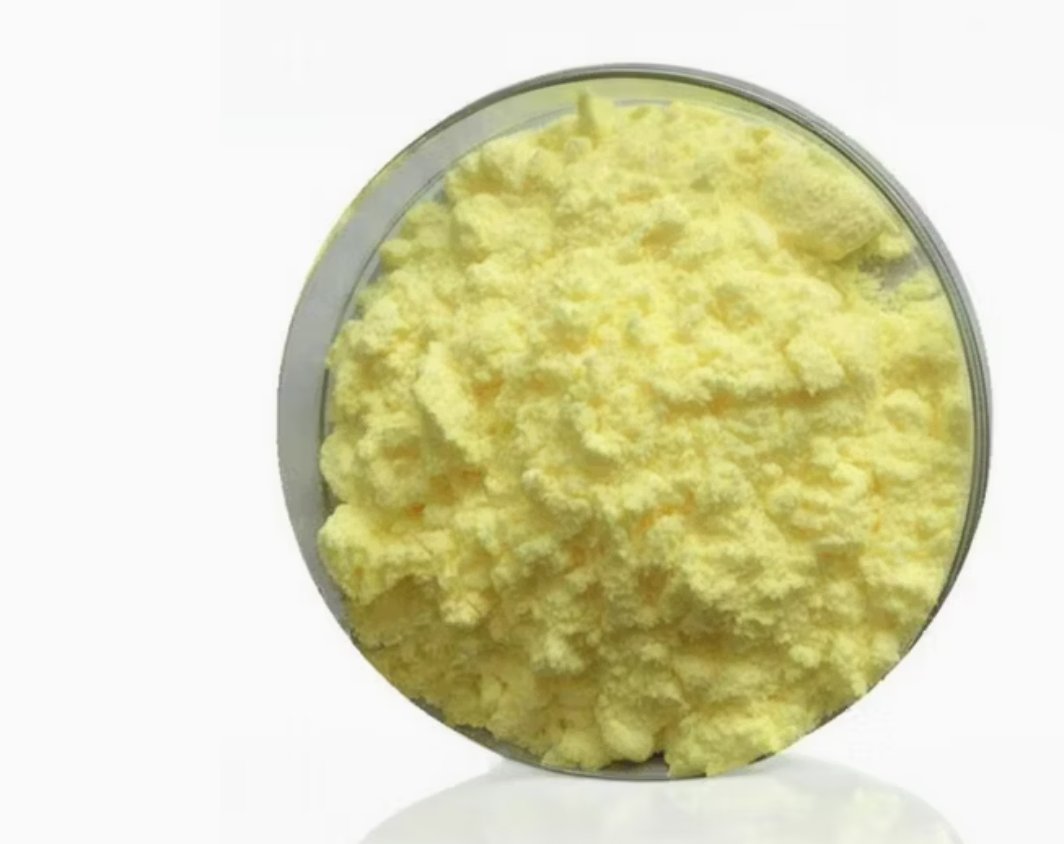
Folic acid is a yellow to yellow-orange crystalline powder, odourless, with very slight solubility in water and ready solubility in dilute alkali solutions. It is sensitive to light, to acidic conditions and to sustained heat, darkening on degradation; in dry powder form it is stable when protected from light, and it degrades fastest in solution. Keep the raw material sealed, cool and dark, and design the finished product so the vitamin never sits in an acidic wet matrix.
Applications
Folic acid enters the following formulation workflows:
- postpartum and maternal multivitamin tablets, capsules and sachets
- prenatal formulations with iron, zinc and vitamin D
- women’s health programmes targeting normal homocysteine metabolism
- functional-food and beverage fortification (solubilised or micronised grade)
- tableted B-complex and MVM blends at microgram dose levels
Formulation notes
Because folic acid is dosed in micrograms against a blend weighed in kilograms, content uniformity is the practical challenge: use a micronised or trituration grade, and verify uniformity across the compression run rather than relying on the raw-material COA. It co-formulates with ferrous fumarate and zinc gluconate in the same tablet, but iron salts accelerate discolouration, so keep the blend dry, add the vitamin late in the process and run a combination stability study. Avoid strongly acidic excipients and prolonged high-shear mixing that heats the blend.
Certificate of Analysis
Each lot ships with a COA recording:
- folic acid assay by HPLC with the reference basis stated
- related substances (pterin, pteroic acid and other impurities)
- identification by HPLC retention time and UV spectrum
- loss on drying, residue on ignition and heavy metals (Pb, As, Cd, Hg)
- microbial count with specified pathogens
- particle size distribution for micronised grades
Regulatory and handling
Folic acid is supplied as a food-grade and pharmacopoeial raw material for dietary supplements and food fortification. It is not a drug and makes no drug-level claim. Permitted dose levels and mandatory declarations differ by market, and maternal products in particular carry local labelling requirements, so buyers should confirm the finished-product rules with the target-market regulator. Handle as a fine powder with gloves and eye protection, away from direct light.
Packaging and storage
Supplied in double-sealed food-grade polyethylene bags within fibreboard drums, 1 kg, 5 kg and 25 kg net. Store in the original sealed container at room temperature, dry, protected from light; the retest date is 36 months from manufacture when stored as recommended.
Questions
What is the difference between 99 percent and 101.5 percent folic acid?
They are the same material expressed on different bases: 99 percent is reported on the anhydrous basis and 101.5 percent on the as-is basis used by some specifications. The COA states which basis is used so buyers can compare quotations like-for-like.
Can it be combined with iron in one tablet?
Yes, and most maternal products do exactly that. Keep the blend dry, add the vitamin late in the process, protect the tablet from light, and confirm stability in a combination study rather than from the raw-material data alone.
Why is content uniformity the main QC concern?
The daily dose is measured in micrograms inside a blend weighed in kilograms, so a poor trituration shows up as tablet-to-tablet variation long before the average assay drifts. A micronised grade plus in-process uniformity testing is the standard answer.
Request a quotation
Send Baisfu the required grade and basis, the particle-size requirement and the annual quantity, and the sales desk will reply with a current price, the lot certificate, packing option and lead time, with pre-shipment samples from the quoted lot.
Need specifications, COA, or a wholesale quote? Contact Us — typical response within 24 hours.