

Health Supplements: A Rational Perspective for Better Health
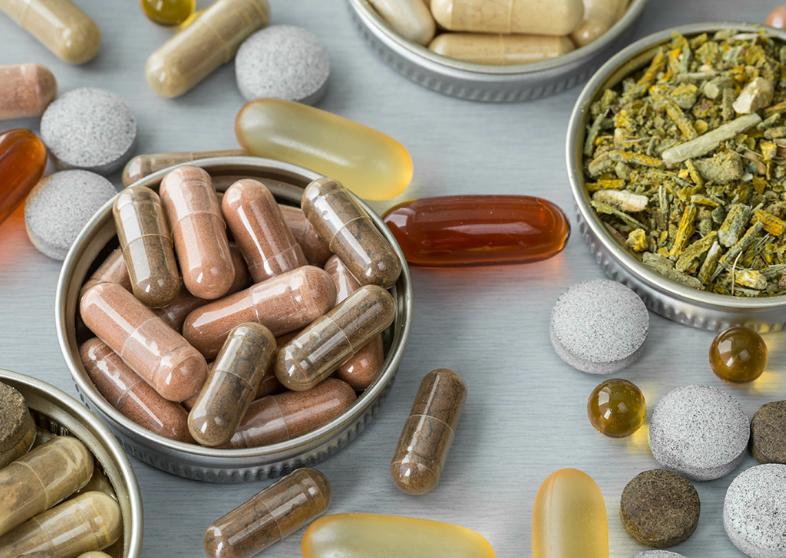
The first step to choosing the right health products is to draw a clear line between dietary supplements and medicines. China’s Food Safety Law clearly stipulates that health foods are foods with specific health functions or for supplementing vitamins and minerals. Their core attribute is food, not medicines for treating diseases. This means that no matter how merchants promote “curative effects,” dietary supplements can never replace prescription drugs such as antihypertensives and hypoglycemics. In reality, many middle-aged and elderly people are misled by claims like “controlling conditions without stopping medication,” and they stop taking regular drugs without authorization. As a result, their blood pressure and blood sugar rebound, and complications may even occur. Some people abandon chemotherapy after cancer surgery and rely on “anti-cancer dietary supplements,” ultimately delaying treatment. Remember: when you feel unwell, the first choice is to seek medical attention, not to pin your hopes on dietary supplements.
The real role of dietary supplements is targeted supplementation—“fill what you lack”—not a “universal nutrition” suitable for everyone. To determine whether you need to take them, first check if your daily diet meets the standards. Healthy adults who eat regularly, have a balanced diet of meat and vegetables, and can normally consume grains, vegetables, eggs, and milk generally do not need extra supplements. Dietary supplements are only useful when your diet cannot meet specific nutritional needs. For example:
People on long-term vegetarian diets are prone to vitamin B12 deficiency and may take supplements under the guidance of a dietitian.
Women preparing for pregnancy and in early pregnancy must take folic acid to prevent fetal neural tube defects.
People over 60 have reduced digestive function and weakened calcium absorption; moderate calcium supplements can lower the risk of osteoporosis.
However, remember that too much is as bad as too little. Excessive vitamin C can cause diarrhea, and too much protein powder increases kidney burden. Blind supplementation harms health instead. After all, dietary supplements are only supports for a healthy life, not necessities. Regular rest, a balanced diet, consistent exercise, and an optimistic mindset are the four cornerstones of health. Instead of spending a lot of money on unused dietary supplements, it is better to invest in fresh ingredients and spend time walking or exercising. View dietary supplements rationally—do not follow trends blindly or believe in myths. Only with targeted supplementation and scientific use can they truly become a “plus” for health, not a “minus” for your wallet.
Post time:2026-02-24


