

Health Supplements: Prevent Illness When Healthy, Cure Diseases When Sick? How to Take Them Properly? Better to Know Early
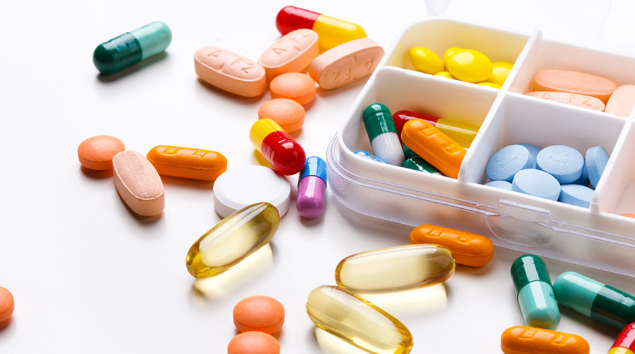
With the popularization of health knowledge nowadays, people are paying increasing attention to their physical health. Many young people like to buy bags of health supplements for their elders to show filial piety. A growing number of young people burdened with heavy work pressure have also embraced a health-focused lifestyle, and celebrities are no exception. Wu Xin, a host from Hunan TV, once took more than a dozen health supplements in one go while filming the variety show My Little One, sparing no effort to maintain a youthful appearance.
Many of us assume that health supplements are designed to safeguard physical health and can be taken casually without side effects, unlike medications. Some even believe that regular intake of health supplements can strengthen the body, and a few people even use them to treat diseases. These ideas are often one-sided. Let’s take a closer look at what health supplements really are.
Myth 1: Health supplements have no side effects and are harmless to take
The role of health supplements is to help the body replenish deficient nutrients, but they are intended for specific groups of people as a prerequisite—not everyone is suitable for taking them. Although health supplements are less potent than medications, taking the wrong type or excessive amounts can easily lead to unexpected problems.
For example, osteoporosis is a common issue among the elderly, so people tend to give calcium supplements to seniors during festivals, hoping to help them boost calcium levels. However, the human body’s daily calcium absorption capacity is limited. Taking excessive calcium supplements will not be fully digested and absorbed, thus failing to benefit the body significantly. In many cases, our three daily meals already provide sufficient nutrients, making additional supplementation unnecessary.
Myth 2: Health supplements are "miracle cure-alls" that can treat diseases
Some people avoid medications due to concerns about their side effects and instead turn to health supplements as substitutes. For mild symptoms, the body may not show obvious adverse reactions. However, for severe conditions, relying on health supplements will not only delay treatment but may also worsen the illness. If you notice any abnormal physical symptoms, you should seek medical attention promptly instead of depending on health supplements. In fact, overconsuming health supplements can even impose a burden on the body. Take vitamin C tablets as an example—many people overstate their benefits, claiming that regular intake can cure colds. A normal diet usually provides an adequate amount of vitamin C. Excessive vitamin C supplementation in an attempt to treat diseases may lead to more serious risks. Clinical diagnoses show that consuming more than 1,000 mg of vitamin C per day significantly increases the risk of developing urinary calculi.
Myth 3: Taking health supplements and medications together is safe
Many people believe that since both health supplements and medications aim to protect health, taking them simultaneously will make the body stronger. In reality, most people are unaware of the ingredients in medications and health supplements, and combining them can easily result in interactions that counteract each other’s effects. For instance, fish oil helps regulate blood lipids and prevent cardiovascular diseases, but taking it together with aspirin may increase the risk of bleeding. Therefore, it is best to avoid taking health supplements and medications at the same time and exercise caution when using them.
Distinguishing Genuine from Counterfeit Health Supplements
Genuine health supplements can indeed enhance nutrition and boost immunity without harming the body. However, their popularity and acceptance have given rise to opportunities for illegal profiteers. The market is now flooded with counterfeit and shoddy health supplements, which are often marketed to middle-aged and elderly people through persuasive tactics to induce purchases.
We must remain vigilant against misleading claims such as "quick and miraculous effects", "cures multiple diseases" and "100% natural". In fact, even medications cannot achieve instant cures, and health supplements are by no means miracle drugs. Additionally, many people are easily swayed by the term "100% natural", assuming that natural substances are definitely healthy. However, natural substances are not necessarily compatible with the human body, nor are they always harmless.
Post time:2025-12-30


