

Development and Application of Walnut Health Foods
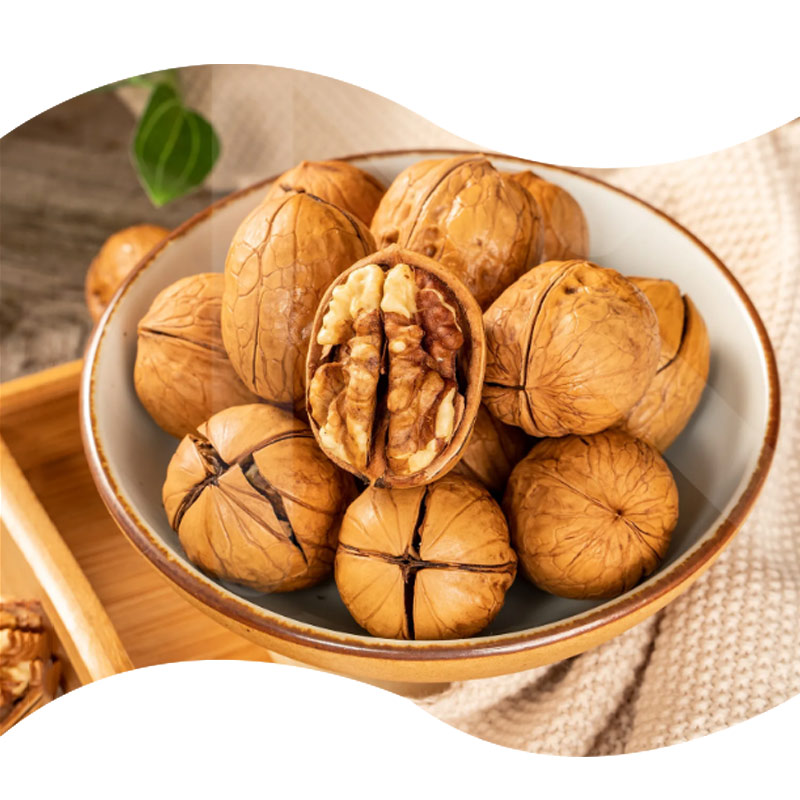
Besides being eaten raw, walnut kernels can be comprehensively processed into various products such as walnut oil, walnut powder, and walnut milk. When combined with other foods, they can be made into a variety of nutritional foods, confections, beverages, etc. When formulated with other Chinese herbal medicines, they can be developed into various health foods that can effectively assist in managing various health conditions.
1. Walnut Kernels
Walnut kernels are effective in tonifying the kidney and nourishing the brain. For individuals experiencing mental decline, walnut kernels can be used as a dietary therapy ingredient combined with other foods or medicines, or consumed regularly as a snack to support brain health. However, due to their high fat and protein content, people with poor digestion—especially those with chronic gastrointestinal diseases—should avoid excessive consumption at one time.
2. Walnut Oil
The fat content of walnut kernels generally ranges from 60% to 75%. Walnut oil can be extracted in large quantities from walnut kernels. It has a delicious and delicate flavor, is rich in nutrients, and retains the nutritional, health-preserving, and pharmacological effects of walnut kernels. In developed countries such as Europe and the United States, consuming walnut oil has become a consumption trend, and it has even been designated as astronaut food in the United States.
3. Walnut Milk
Walnut milk is a deep-processed product of walnuts. Its processing flow is as follows:Walnut kernels → Pretreatment → Peeling the seed coat → Soaking → Coarse grinding → Fine grinding → Heating → Filtration → Blending → Ultra-high temperature (UHT) sterilization → Homogenization → Metering → Canning → Finished product.
Key processing notes:
4. Walnut Powder
Walnut powder is a finished product processed through food technology, facilitating commercialization and large-scale production. It is another important development method for walnuts. The processing steps include: pretreatment of walnut kernels, peeling the seed coat, soaking, coarse grinding, fine grinding, filtration, and drying to obtain the final product.
In addition, walnuts can be combined with other foods to produce a variety of delicious and nutritious confections, beverages, etc. For example, canned walnuts in syrup, amber walnut kernels, and glazed walnut kernels are all health products developed using similar processing methods.
Post time:2025-11-25


